Skilled Siding Services: Safeguarding Your Home While Improving Its Appearance
Expert siding services serve a dual purpose: they shield residences from weather conditions and boost curb appeal. Over time, symptoms including fractures and moisture accumulation suggest the importance of timely replacement. Choosing quality materials tailored to specific climates can greatly impact durability and energy efficiency. Skilled installation by experts is critically important. Grasping these key factors is essential for residents thinking about an improvement. What factors should one weigh before making such a decision?
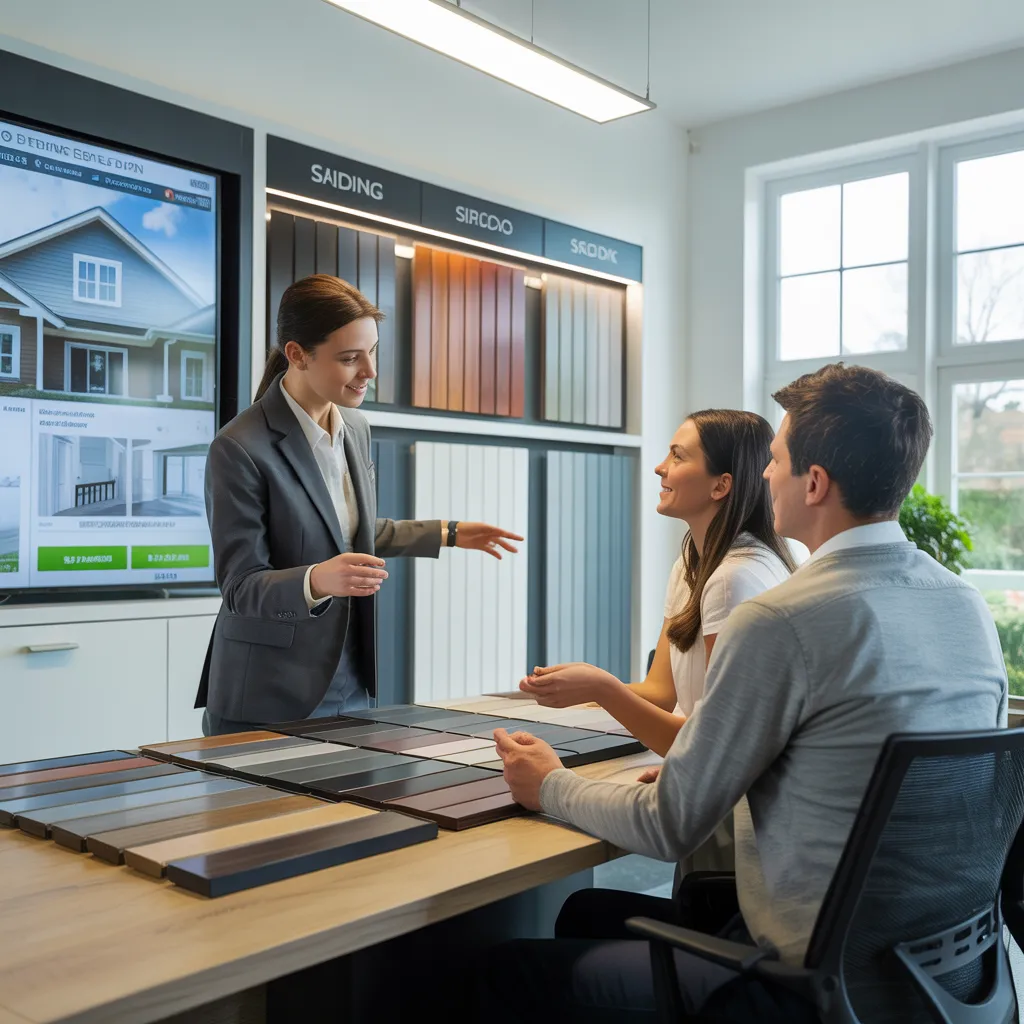
Signs It's Time to Replace Your Siding?
At what point should homeowners think about replacing their siding? Homeowners need to be aware of various indicators that point to the need for siding replacement. Noticeable damage, including cracks, warping, or peeling paint, can undermine the exterior's structural integrity and visual appeal. In addition, moisture or mold growth may point to hidden issues that can become costly if not promptly addressed. Should energy costs start increasing without explanation, this could signal poor insulation caused by deteriorating siding, warranting a closer look at the home's exterior. In addition, the age of the siding is a critical factor; the majority of siding materials last between 20 and 30 years. Finally, if a homeowner notices increased noise pollution from outside, it might be time to upgrade to a more soundproof siding option. Identifying these indicators promptly can assist in preserving the home's safety and visual charm while avoiding further issues down the line.
Why Quality Siding Matters for Your Home
Quality siding serves a critical function in a home's total performance and curb appeal. It elevates energy efficiency by delivering improved insulation, which can result in lower utility bills. Additionally, superior siding substantially increases curb appeal, leaving the property more eye-catching to potential buyers and passersby.
Benefits of Energy Efficiency
Energy efficiency is a fundamental element of today's residential design, and the selection of siding plays a significant role in achieving it. Quality siding materials, such as insulated vinyl or engineered wood, deliver outstanding heat retention, helping to keep indoor temperatures stable. This minimizes the need for heating and cooling systems, ultimately leading to lower energy bills. Additionally, well-installed siding minimizes air leaks, further enhancing a home's insulation. Residents who select superior siding products not only enhance their home's thermal performance but also contribute to a sustainable environment by reducing their environmental impact. In conclusion, picking the appropriate siding is key to maximizing a home's thermal efficiency, making it an intelligent choice for lasting comfort and reduced costs.
Curb Appeal Improvement
While the choice of siding may seem like a minor detail, it greatly impacts a home's complete exterior appearance. Superior siding can convert a simple house into a welcoming abode, boosting its visual charm and showcasing the owner's personal taste. Various materials, shades, and finishes enable customization, allowing property owners to develop a distinctive appearance that sets their home apart. Moreover, carefully maintained siding has the potential to raise property worth, positioning it as a worthwhile long-term investment. Many home purchasers commonly value curb appeal, and quality siding can be a deciding factor. At the end of the day, picking the perfect siding both shields the building and amplifies its appeal, making it a crucial component in achieving a beautiful, welcoming home.
Selecting Siding Materials: Factors to Consider
Choosing the right siding materials is critical for boosting a similar information home's appearance and structural integrity. Homeowners should consider several factors when making this decision. To begin with, climate is a major factor; options like vinyl or fiber cement tend to perform well in regions with harsh weather, while wood siding delivers classic character in moderate climate zones.
Furthermore, upkeep needs differ; certain materials need periodic painting or staining, while others are virtually maintenance-free. Cost is another significant factor; options range from budget-friendly vinyl to higher-end natural wood or stone.
Energy efficiency should also be assessed, as particular materials deliver enhanced insulation, possibly decreasing heating and cooling expenses. Ultimately, homeowners ought to evaluate their property's architectural design to guarantee that the siding complements its overall design. By weighing these factors, homeowners can select siding materials that enhance both beauty and longevity.
Advantages of Hiring Professional Siding Installers
Hiring expert siding contractors can considerably boost the quality and longevity of a residential exterior. These specialists carry a depth of knowledge, ensuring that the work is carried out to the best possible standards. Their expert understanding empowers them to manage potential complications, such as incorrect alignment or improper sealing, which can create substantial maintenance expenses in the future.
Furthermore, professional installers come prepared with the correct equipment and supplies, which can significantly reduce installation time and improve the overall result. They also remain informed about local building codes and regulations, guaranteeing compliance and reducing the risk of fines or rework.
Moreover, working with professional contractors often features warranties on both labor and materials, giving homeowners peace of mind. This measure of reassurance, combined with the practical and visual merits of skilled installation, emphasizes the merit of placing siding projects in the hands of experienced professionals.
Elevating Curb Appeal With Siding Solutions
Picking the right siding can greatly boost a home's visual appeal. Color choices, coupled with multiple textures and materials, permit homeowners to create a one-of-a-kind look that showcases their personal aesthetic. By evaluating these elements, property owners can transform their property into a attractive and welcoming space.
Why Color Choices Matter
How does the perfect color choice impact a home's exterior appearance? The decision regarding siding color plays a major role in a home's curb appeal, defining the character of its overall look. Pale hues can create the impression of a larger and more appealing space, whereas deeper tones can convey a sense of elegance and refinement. Vibrant colors draw attention, allowing a home to stand out in the neighborhood, whereas subdued shades provide a traditional and enduring appearance. Additionally, the right color can harmonize with landscaping and architectural features, creating a cohesive appearance. It is important for homeowners to factor in their personal preferences, local weather conditions, and neighborhood influences when deciding on colors. In the end, carefully considered color selections not only elevate a home's beauty but also express the homeowner's character, making the property feel inviting and cared for.
Texture And Material Options
Various texture and material options can greatly enhance a home's visual appeal, providing homeowners with the chance to create a unique impression. Materials including vinyl, wood, and fiber cement all offer unique aesthetic qualities and durability. Vinyl siding, known for its low maintenance, is offered in a range of textures designed to replicate natural surfaces. Wood siding, despite its higher maintenance needs, brings warmth and classic charm, coming in smooth or textured finishes. Fiber cement siding combines the best of both worlds, delivering strength and an array of textures, from stucco to wood grain. These selections empower homeowners to personalize their property's facade, improving both the visual charm and market value of the home. Choosing the ideal mix of materials can turn any home into an impressive showpiece.
Maintenance Tips for Long-Lasting Siding Performance
Regular maintenance is vital for preserving the lifespan and quality of home siding. Residents should commence by cleaning their siding at least twice a year to remove dirt, mildew, and other debris. A low-pressure washer or a soft-bristled brush with a gentle cleanser can efficiently copyright its condition without causing deterioration. Checking the siding for splits, distortions, or unsecured panels is important; resolving these concerns quickly can avert more serious complications. Moreover, residents should maintain sufficient drainage around the base to minimize water-related harm. Using a quality sealant can improve resilience, especially for wooden siding. It is equally recommended to refinish or restain every couple of years, as this provides protection from weather conditions. Lastly, routine inspections of caulking around windows and doors will ensure secure seals, decreasing energy consumption and enhancing the siding's longevity. Such preventative measures help preserve both appearance and performance.
Frequently Asked Questions
How Long Does Siding Installation Typically Take?
Siding installation typically takes one to three days, depending on the project's size and complexity. Elements such as weather conditions and the siding material selected can also influence the overall timeline for completion.
What Are the Expenses Involved in Siding Replacement?
The cost of siding replacement varies considerably, usually running anywhere from $5,000 to $15,000 depending on materials, labor, and home size. Homeowners must factor in supplementary expenditures, including the removal of existing siding and any necessary structural repairs.
Is Installing New Siding Over Existing Siding an Option?
Absolutely, new siding can be installed over existing siding, but it's important to confirm the foundational structure is in good condition. Suitable insulation and moisture barriers are necessary to prevent issues including rot and mold.
What Warranties Are Available for Siding Products?
A variety of siding products feature warranties that range considerably, typically protecting against material defects for 20 to 50-year periods. Installation warranties may also be available, guaranteeing workmanship for a defined period, often extending from one to ten years.
What Is the Best Way to Pick a Siding Color That Matches My Home?
To pick a siding color that complements a home, it is important to assess the design of the structure, surrounding landscape, and adjacent properties. Color samples assist in visualizing choices, while using color wheel resources enhances the decision-making process.